








Reach thousands of local businesses.

We help you connect to all businesses in your city in minutes.

Travel and Nature
Restaurants and Food
Beauty and Skincare
Fitness and Gym
Boutique & Retail
India
Nigeria
Portugal
United States of America
About Localeadr
100% Verified
Audited Business Profiles
ABOUT TCE

Connecting You With Trusted Local Businesses

The City Experience by Localeadr is the premier directory platform designed to bridge the gap between customers and verified local service providers. Our mission is to empower local commerce with transparency, authentic customer reviews, and instant direct communication.

1000+

Verified Businesses

98%

Customer Satisfaction

20+

Cities Covered

TOP BUSINESSES

Handpicked For You

Explore top-rated local destinations vetted by real community reviews and performance standards.

Market Square

Market Square Umuahia is best known for providing a... See more...
Shopping Malls and Parks
Umuahia
4.5 (2 Reviews)

ECR Technology Services

ECR Technology Services: Empowering the Digital Fron... See more...
Tech Institutions
Umuahia
4.4 (2 Reviews)

Taxidi

Taxidi: Your Trusted Partner for Reliable Car Hire i... See more...
Car Rentals and Logistics
Umuahia
4.0 (2 Reviews)

Chicken Republic

Chicken Republic (Azikiwe Road): Umuahia’s Favourite... See more...
Resturants
Umuahia
4.0 (2 Reviews)

Realinkr

Realinkr stands as Nigeria's premier PropTech, real... See more...
Tech Institutions
Umuahia
3.3 (1 Reviews)

Kass Tech Cooling Company

Professional air conditioning repair service in Lago... See more...
Home Service Contractors
Lagos
0.0 (0 Reviews)

Recent reviews

Looking to grow your business?

Strengthen your reputation with real, trustworthy customer reviews on Localeadr — a platform built to help you earn credibility, attract new customers, and show people why they should choose you.

MARKETPLACE

Explore Products & Services

Browse featured offerings, premium products, and services from our local businesses.

Toyota Highlander Service ₦ 170,000

Toyota Highlander

The ultimate family and business SUV. It offers a sm... See more...
Interstate Travel (Custom Quotes) Service

Interstate Travel (Custom Quotes)

Safe and reliable cross-country travel. Whether you... See more...
Airport Shuttle Service Service ₦ 80,000

Airport Shuttle Service

Stress-free transfers from Umuahia to Akanu Ibiam In... See more...
Citation and Brand Reputation Learning Program ₦ 150,000

Citation and Brand Reputation

We deploy synchronized Name-Address-Phone (NAP) list... See more...
Cooperate Mens Shoe Physical Product ₦ 20,000

Cooperate Mens Shoe

Cooperative men's shoes for your casual and work out... See more...
Mens Sneakers Physical Product ₦ 15,000
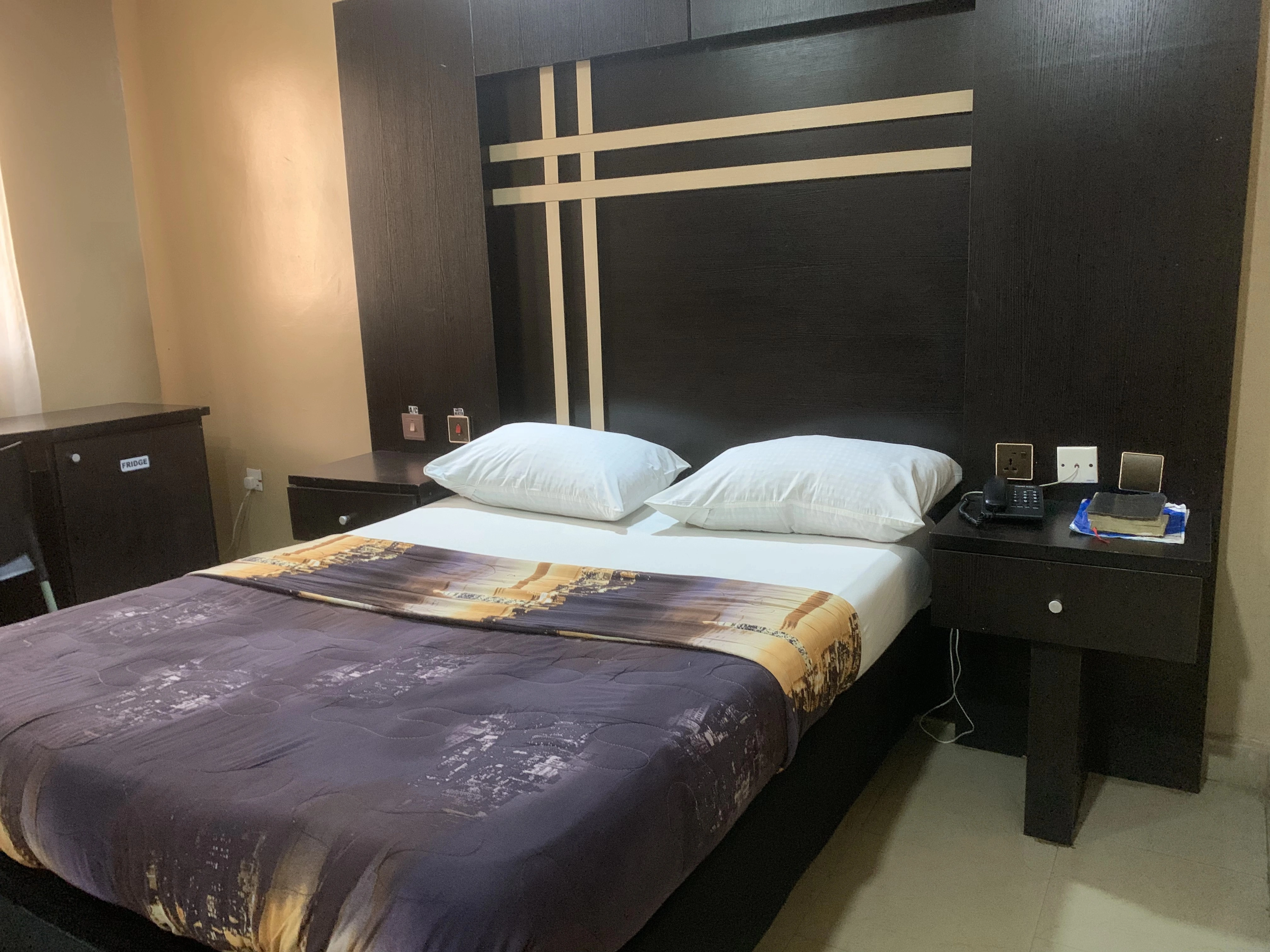
Basic Room Physical Product ₦ 40,000

Basic Room

Our Standard Rooms are fully equipped with all the a... See more...
category

Explore by Industry

Browse curated listings by niche to quickly find the exact space or service you need.

Insights

News and Trends

In-depth articles, regional spotlights, and actionable advice to help you navigate local markets.

Image for What to Expect From a Google Business Optimization Campaign in Localeadr Local SEO
Irozuru Victor 11 Sep 2026

What to Expect From a Google Business Optimization Campaign in Localeadr

Key Takeaways Localeadr's Google Business optimization is a managed local SEO service designed to significantly increase visibility in Google Maps and local search results. The campaign focuses on getting businesses into Google's Map Pack by enhancing their Google Business Profile, building citations, generating reviews, and creating local content. This service builds lasting local visibility that compounds over time, distinguishing it from temporary paid ads or traditional website SEO. Meaningful results, particularly Map Pack positioning, typically develop over three to six months, rather than days or weeks. Campaign strategies are rooted in Google's three local ranking factors: relevance, distance, and prominence, with a strong emphasis on optimizing profile elements for relevance. You've decided to invest in local SEO, signed up with Localeadr, and now you're wondering what actually happens next. Fair question. Most businesses have been burned by vague deliverables and mystery work before. This guide walks through exactly what a Google Business optimization campaign includes, from the ranking factors that shape every decision to the month-by-month timeline and the specific deliverables you'll receive along the way. What a Google Business Optimization Campaign Actually Does A Google Business optimization campaign with Localeadr is a managed local SEO service that increases your visibility in Google Maps and local search results. The goal is straightforward: get your business ranking higher so more local customers find you, call you, and walk through your door. Localeadr runs this campaign for a flat $800 per month with no setup fees and no lock-in contracts, and every deliverable is listed before you sign anything. So what does "optimization" actually mean here? Your Google Business Profile (GBP) is the listing that appears when someone searches for your business or a service you offer. When someone types "plumber near me" into Google, the Map Pack shows three local businesses at the top of the results. A GBP optimization campaign works to get your business into that Map Pack by improving your profile, building citations across directories, generating reviews, and creating local content. This differs from traditional website SEO, which focuses on ranking your website pages in organic search results. It also differs from paid ads, where you pay per click and visibility disappears the moment you stop spending. A GBP campaign builds lasting local visibility that compounds over time. One thing worth knowing upfront: results take months, not days. You might see early ranking movement within 60 to 90 days, but meaningful Map Pack positioning typically develops between months three and six. The Three Local Ranking Factors Behind Every Campaign Google's support documentation explains that local rankings depend on three factors: relevance, distance, and prominence. Every decision in your campaign ties back to improving one or more of these. Relevance Relevance measures how well your profile matches what someone is searching for. If a user searches "emergency plumber" and your profile lists "plumbing services" as a secondary category with no mention of emergency work, Google may rank a competitor higher instead. Several profile elements influence relevance: Primary and secondary categories: The categories you select tell Google what your business does Business description: Keywords in your description help Google match you to searches Services listed: Adding specific services (like "water heater repair" or "drain cleaning") improves matching Q&A section: Questions and answers on your profile can include relevant terms Getting relevance right means Google understands exactly what you offer and who you serve. Distance Distance is how far your business is from the person searching. If someone searches "coffee shop near me" from downtown, Google prioritizes coffee shops close to that location. This factor is largely outside your control. You can't move your business closer to every potential customer. However, for service-area businesses without a storefront, properly configured service areas tell Google which neighborhoods and cities to consider when matching your profile to searches. Prominence Prominence reflects how well-known your business is online. Google evaluates this through reviews, directory citations, backlinks, and your overall web presence. A business with 200 reviews, consistent listings across 50 directories, and backlinks from local news sites will typically outrank a competitor with a sparse online footprint. This is where most optimization effort goes, because prominence is the factor you can actively build. What Is Included in a Localeadr Google Business Optimization Campaign Localeadr's managed service covers six pillars of local SEO execution. Here's what the $800 monthly price includes. Research and Strategy Your campaign starts with keyword, entity, and location research. This identifies the search terms your customers actually use and the geographic areas where you want to rank. The research feeds into a rolling 90-day action plan that guides every optimization decision. Your account manager reviews and updates this plan quarterly based on what's working and what's changing in your market. Google Business Profile Management Daily activity on your GBP signals to Google that your business is active. Localeadr handles daily posts, Q&A management, service and product updates, photo optimization, and category refinement. Review responses also happen through this pillar. Responding to reviews, both positive and negative, builds trust with potential customers while keeping your profile active. Citation Building and NAP Cleanup NAP stands for Name, Address, and Phone number. When your NAP data is inconsistent across directories (maybe one listing has your old phone number, another has a slightly different business name), it confuses Google and can hurt your rankings. Localeadr manually builds citations across directories and audits existing listings for errors. In month one, you receive 25 foundation citations plus data aggregator submissions. After that, 10 new citations are added monthly. Local Content and Service Area Pages Content targeting location-specific keywords helps your website rank for searches in the areas you serve. If you're a roofer in Dallas, pages targeting "roof repair in Plano" or "storm damage restoration in Frisco" help you show up when people in those cities search. Localeadr creates 14,000+ words of unique content per campaign, including 10 or more city and service-area pages monthly. Review Generation and Response Management Reviews directly influence prominence. More reviews (and higher ratings) signal to Google that customers trust your business. Localeadr designs review request workflows to help you build consistent, high-quality customer reviews over time. All review responses are handled from one dashboard, so every review gets a professional reply without you managing it yourself. Backlinks and Local PR Distribution Backlinks from local and industry websites build prominence. When a local news site or industry directory links to your website, it signals to Google that other trusted sources vouch for your business. Localeadr includes monthly backlink building and distributed press releases as part of the campaign. Geogrid Rank Tracking and Reporting A geogrid is a map-based tool that shows your rankings across physical locations in your service area. Instead of checking one ranking for one keyword, you see how you rank from dozens of points on a map. This matters because rankings vary by location, and a geogrid shows the full picture. Localeadr provides real-time dashboards and monthly strategic reports that connect campaign activity to ranking outcomes. Campaign Timeline From Day One to Month Six Knowing what happens when helps set realistic expectations. Here's how a typical campaign unfolds. Step 1. Month One Onboarding and Foundation Your account manager conducts a full GBP audit, completes keyword research, and sets up baseline rank tracking. You'll have a strategy call to align on goals and target keywords. Foundation citations and data aggregator submissions begin during this month. This phase is about building the infrastructure everything else depends on. Step 2. Month Two Citations and Content Citation building continues while the first batch of local content goes live on your website. Daily GBP posts start appearing on your profile. You'll begin seeing your geogrid baseline, which shows where you currently rank across your service area. This becomes the benchmark for measuring progress. Step 3. Month Three Momentum and Review Growth Review generation campaigns launch during month three. Content and citation work continues building momentum. Early ranking movement may appear in your geogrids as citations index and your profile activity accumulates. Some businesses see noticeable changes here; others take longer depending on competition. Step 4. Months Four to Six Ranking and Scale This is when compounding effects typically become visible. Citations have indexed, reviews have accumulated, and content is ranking. Meaningful Map Pack movement often occurs during this phase. Your monthly reports will show the connection between the work being done and the ranking changes happening. How Localeadr Measures Map Pack Progress Localeadr tracks outcomes that matter: phone calls, direction requests, and ranking positions across your service area. The real-time dashboard shows: Geogrid positions: rankings from multiple points across your service area, updated regularly Citation accuracy: directory listings audited for NAP consistency Review velocity: new reviews and average rating changes over time GBP insights: calls, website clicks, and direction requests from your profile Monthly strategic reports summarize what was built, what changed, and what comes next. For agencies, all reports are white-labeled under your branding. What You Need to Provide Before the Campaign Starts Localeadr handles execution, but you'll provide a few things during onboarding: GBP admin access or ownership transfer Business information including hours, services, and service areas Photos of your business, team, and work A brief intake call to discuss goals and target keywords After onboarding, your account manager takes over. You stay informed through dashboards and monthly reviews without managing day-to-day tasks yourself. Pricing, Deliverables, and No Lock In Contracts What's Included Details Monthly price $800 flat, no setup fee Contract terms Cancel anytime, no lock-in Reporting Real-time dashboard, monthly strategic review Deliverables Itemized before you sign You know exactly what you're paying for and what results it produces. No hidden fees, no surprise charges, no long-term commitments. Start Your Google Business Optimization Campaign With Localeadr A well-executed GBP campaign builds local visibility that generates phone calls and foot traffic month after month. The work compounds over time, and the results belong to your business. Get Started FAQs About a Google Business Optimization Campaign How long until my business ranks in the Google Map Pack? Most campaigns see meaningful ranking movement between months three and six. The timeline depends on your starting position, local competition, and how quickly citations index and reviews accumulate. Can I cancel a Localeadr campaign at any time? Yes. Localeadr has no lock-in contracts. You can cancel at the end of any billing cycle. Does Localeadr offer white label services for agencies? Yes. Localeadr provides white-labeled portals, wholesale pricing, and fulfillment support for agencies and consultants who want to scale local SEO services without hiring more staff. What happens if I already have an active Google Business Profile? Localeadr audits your existing profile during onboarding and optimizes it as part of the campaign. You don't start from scratch; you build on what you already have. What is a Google Business optimization campaign with Localeadr? It's a managed local SEO service aimed at increasing your business's visibility in Google Maps and local search results. The primary goal is to get your business ranking higher in the Google Map Pack so more local customers can find and engage with you. How does this campaign differ from traditional website SEO or paid advertising? Unlike traditional website SEO which focuses on organic search rankings, or paid ads where visibility ends when spending stops, a Google Business optimization campaign builds lasting local visibility. It specifically targets the Map Pack and compounds over time, creating a more sustainable presence. What is the typical timeline for seeing results from a Localeadr Google Business optimization campaign? Results are not immediate; while early ranking movement might be observed within 60 to 90 days, meaningful Map Pack positioning typically develops over three to six months. This is a long-term investment in local visibility. What are the key factors Google uses to rank local businesses, and how does Localeadr address them? Google's local rankings are based on relevance, distance, and prominence. Localeadr's campaign strategically optimizes your Google Business Profile for relevance through categories, descriptions, and services, and addresses distance for service-area businesses, ensuring your profile matches local searches effectively.

Image for Local SEO Services Built for Rankings Leads and Real Results Local SEO
Irozuru Victor 11 Sep 2026

Local SEO Services Built for Rankings Leads and Real Results

A potential customer searches "electrician near me," sees three businesses in the Map Pack, and calls the first one. If that's not your business, you just lost a job to a competitor who showed up where it mattered. Local SEO services are the work that gets you into that Map Pack and keeps you there. This guide covers what those services actually include, how Google decides who ranks, what to look for in a provider, and how to tell whether the investment is generating real leads or just vanity metrics. What Local SEO Services Include Local SEO services optimize your Google Business Profile and website to capture high-intent searches in the Map Pack and local organic results. When someone searches "plumber near me," Google returns a map with three business listings at the top. The work involved in appearing there covers profile management, citation building, on-page optimization, content creation, review strategy, and link building. Local SEO Audit An audit is where everything starts. It checks your NAP consistency (that's your business name, address, and phone number across the web), reviews how your Google Business Profile is set up, and compares your current rankings against local competitors. Think of it as a diagnostic that shows exactly where you're losing visibility. Keyword and Entity Research Keyword research uncovers what local customers actually type when searching. Entity research goes a step further. An "entity" is how search engines understand your business as a recognizable thing, connecting it to categories, locations, and related concepts. Both inform what content to create and how to structure your profile. Google Business Profile Management Your Google Business Profile (GBP) is the listing that appears in Maps and the Map Pack. Managing it well means selecting accurate categories, keeping hours and attributes current, uploading photos regularly, publishing weekly posts, answering Q&A, and responding to reviews. An active profile signals to Google that your business is legitimate and engaged. Manual Citation Building A citation is any online mention of your business name, address, and phone number. Manual citation building means submitting accurate information to directories one by one. Automated tools often create inconsistent or duplicate listings, which can actually hurt your rankings rather than help. On Page and Schema Optimization On-page optimization updates your website's titles, headers, and content to target local keywords. Schema markup is code added to your site that helps search engines understand specific details like your hours, service areas, and business type. Together, they make your site easier for Google to read and categorize. Local Content and Service Area Pages Service area pages target each city or neighborhood you serve with dedicated content. A plumber serving four suburbs, for example, would create separate pages for each location rather than one generic "areas we serve" list. Local blog posts can address community topics and location-specific questions, building relevance beyond your immediate address. Review Generation and Response Reviews influence both rankings and customer decisions. A review strategy encourages satisfied customers to leave feedback and ensures timely responses to all reviews. How you respond to negative reviews matters too, since potential customers often read those exchanges before deciding to call. Local Link Building and PR Distribution Backlinks are links from other websites pointing to yours. Local link building earns backlinks through community partnerships, chamber of commerce memberships, local sponsorships, and coverage in local news outlets. Links from local sources carry geographic relevance alongside authority. Geogrid Rank Tracking and Monthly Reporting A geogrid shows how your business ranks from multiple points across a map. You might rank first when someone searches from across the street but not appear at all from two miles away. Good reporting ties activities like citations built and posts published to outcomes like calls and direction requests. What Is Local SEO and How It Works Local SEO is the practice of optimizing a business's online presence to appear in location-based searches. When someone searches "dentist in Austin" or "coffee shop near me," Google returns a Map Pack (the three business listings with a map) plus local organic results below. The work involves optimizing your Google Business Profile, building consistent citations, earning local backlinks, and creating location-relevant content. Together, these signals tell Google your business is relevant, trustworthy, and close to the searcher. The goal is visibility where it counts: in front of people actively searching for what you offer in your area. Local SEO Ranking Factors That Move the Map Pack Google uses three core factors to decide which businesses appear in the Map Pack. Understanding how each one works helps clarify why certain tactics matter more than others. Relevance Relevance measures how well your profile and website match what someone searches. Selecting accurate GBP categories, including keywords in your business description, and aligning website content with your services all strengthen relevance. If someone searches "emergency plumber" and your profile lists "plumbing contractor" without mentioning emergency services, you're less likely to appear. Proximity Proximity is the physical distance between the searcher and your business. Closer businesses often rank higher, though strong relevance and prominence can overcome distance in many cases. A business two miles away with 200 reviews and a complete profile can outrank one across the street with a bare-bones listing. Prominence Prominence reflects how well-known and trusted your business is online. Review quantity and quality, citation consistency, backlinks, and overall web presence all contribute. A business mentioned across trusted directories with consistent information appears more established than one with scattered, conflicting listings. How Local SEO Services Generate Leads and Foot Traffic Higher Map Pack rankings put your business in front of people ready to act. Local searchers have intent: they want a service or product nearby, often within hours. GBP features convert that visibility into action: Click-to-call: Mobile users tap to call directly from your listing Direction requests: Users tap for driving directions, leading to foot traffic Website visits: Users click through to learn more before contacting you Messaging: Some users prefer to text questions directly The difference between vanity metrics and real results matters here. Impressions tell you how often your listing appeared. Calls, direction requests, and form submissions tell you whether anyone actually reached out. A report showing 10,000 impressions and zero calls is not a success story. Google Business Profile Optimization for the Map Pack Your GBP is the single most important asset for local rankings. A fully optimized profile includes accurate primary and secondary categories, complete business information (hours, attributes, service areas, products), regular photo and video uploads, weekly Google Posts, proactive Q&A management, and timely review responses. Google treats an active, complete profile as a signal of a legitimate business. A dormant profile with outdated photos and no posts sends the opposite message. Even small updates, like adding a new photo each week, contribute to ongoing visibility. Citation Building and Local Link Building Citations and backlinks both contribute to prominence. The quality of each matters more than quantity. Method Description Quality Manual citation building Human submission to verified directories High Automated citation blasts Software submits to hundreds of sites at once Often low Data aggregator submissions Feeds NAP to major data providers Medium to high For link building, local sources carry weight. Chamber of commerce memberships, sponsorships of community events, and coverage in local news outlets all signal geographic relevance. A link from your city's business association means more for local rankings than a link from a generic national directory. Local Content and Service Area Pages That Rank Adding city names to existing pages rarely works on its own. Service area pages are dedicated pages for each city or neighborhood you serve, with unique content addressing local needs. Each page targets searches specific to that area and demonstrates genuine local knowledge. The content on these pages matters. A page that simply swaps out city names while keeping everything else identical looks thin to Google. Pages that mention local landmarks, address area-specific concerns, or reference community details perform better. Geogrid Rank Tracking and Transparent Reporting Traditional rank tracking checks your position for a keyword from one location. That misses the reality of local search, where rankings vary dramatically based on where the searcher is standing. Geogrid tracking checks rankings from multiple points across a map, showing your true visibility radius. You can see exactly where you rank well and where you disappear. Good reporting connects this data to outcomes: how many calls came in, how many direction requests occurred, and how activities correlate with those numbers. Tip: Ask any provider for a sample report before signing. If it shows only impressions and keyword positions without conversion data, that's worth questioning. Local SEO for AI Answer Engines Like ChatGPT and Perplexity AI tools like ChatGPT, Perplexity, and Google's AI Mode pull information from various sources to answer questions. Businesses with strong entity signals, consistent citations, and authoritative content are more likely to be mentioned in AI-generated answers. This is Answer Engine Optimization (AEO), an emerging extension of traditional search visibility. The same fundamentals apply: accurate business information, consistent presence across trusted sources, and content that clearly answers common questions. If your business information is scattered or inconsistent, AI tools have less confidence citing you. How Much Do Local SEO Services Cost Pricing varies based on scope. A single-location business with moderate competition pays less than a multi-location brand in a crowded market. Common pricing models include: Monthly retainer: Ongoing services for a flat monthly fee Project-based: One-time audits or cleanup projects Per-location pricing: Scaled costs for multi-location businesses Unusually low prices often indicate automated work or offshore fulfillment with minimal quality control. Transparent providers list exactly what you'll receive before you sign anything. If a proposal says "optimization" without specifying what gets optimized, that's worth clarifying. White Label Local SEO Services for Agencies and Consultants Agencies and consultants often want to offer local SEO without hiring in-house staff. White label services deliver work under the agency's brand, so clients never see the fulfillment partner. Look for wholesale pricing, branded reporting portals, dedicated fulfillment teams, and flexible scaling. The right partner lets you add local SEO to your offerings without building a new department. Localeadr offers white-label portals and wholesale pricing specifically for agencies scaling local SEO services. Get Started How to Choose a Local SEO Company 1. Confirm Manual Fulfillment Over Automated Blasts Ask whether citations and GBP work are done by humans or software. Manual work produces better quality and fewer duplicate listings. Automated blasts often create inconsistent NAP data that takes months to clean up. 2. Ask for Geogrid Rank Tracking Request sample reports showing geographic ranking data. Single-keyword position tracking misses how local search actually works. 3. Review the Deliverables Before You Sign Look for itemized lists of what will be done each month. Vague promises like "optimization" without specifics are a red flag. You want to know exactly how many citations, posts, pages, and links you're getting. 4. Check for Flat Pricing and No Lock In Confirm there are no setup fees or long-term contracts. Month-to-month agreements protect you if results don't materialize. Setup fees often pad agency revenue without delivering extra value. 5. Verify Reporting Ties to Calls and Foot Traffic Ask how the provider measures success. Reports showing only impressions or ranking changes without conversion actions miss the point. You want to see calls, direction requests, and form submissions. How Long Local SEO Takes to Produce Results Local SEO is not instant. Initial improvements to GBP and citation cleanup can show gains within two to four months. Sustained rankings in competitive markets require ongoing work over six months or longer. The timeline depends on your starting point, competition level, and service area size. A business with a neglected GBP and inconsistent citations will see faster early gains than one already partially optimized. Patience matters here, but so does consistent execution. Get Started With Localeadr Managed Local SEO Localeadr combines software and human fulfillment for local SEO. The managed service is $800/month with no setup fees, no lock-in contracts, and itemized deliverables listed before you sign. Your campaign includes research and strategy, website optimization, content creation, GBP management, citations and link building, and monthly reporting with geogrid tracking. Real people execute the work, and a dedicated account manager keeps you informed. Get Started Frequently Asked Questions About Local SEO Services Does local SEO work for businesses without a physical storefront? Yes. Service-area businesses like plumbers, cleaners, and consultants can optimize their Google Business Profile by defining the areas they serve rather than displaying an address. Google supports this setup specifically for businesses that travel to customers. Can local SEO help a business rank in multiple cities? Yes. Service area pages, location-specific content, and expanded GBP service areas allow businesses to appear in searches across multiple cities they serve. The key is creating genuinely useful content for each location rather than duplicating the same page with different city names. What is the difference between local SEO and traditional SEO? Local SEO focuses on geographic visibility, including the Map Pack and "near me" searches. Traditional SEO targets broader organic rankings regardless of location. A national e-commerce site benefits from traditional SEO; a local dental practice benefits from local SEO. Do I need paid ads if I invest in local SEO? Local SEO and paid ads serve different purposes. SEO builds long-term organic visibility while ads provide immediate placement. Many businesses use both, with ads covering gaps while organic rankings develop. Who owns the Google Business Profile and website after the engagement ends? You do. Confirm before signing that you will have full admin access to your GBP and all website assets. Any provider who retains ownership of your profiles is creating unnecessary risk for your business.

Image for Citation Campaigns in Localeadr: What the Process Actually Looks Like Local SEO
Irozuru Victor 11 Sep 2026

Citation Campaigns in Localeadr: What the Process Actually Looks Like

You signed up for a citation campaign, and now you're wondering what actually happens next. Fair question. Most local SEO services describe their work in vague terms like "building your online presence," which tells you almost nothing about what you're paying for. A citation campaign in Localeadr follows a specific sequence: audit, cleanup, manual submission, and ongoing monitoring. This guide walks through each phase so you know exactly what to expect, when to expect it, and how the work connects to your Map Pack rankings. What a Citation Campaign in Localeadr Includes A citation campaign in Localeadr combines automated tracking, diagnostic auditing, and active data cleanup. A citation is any online mention of your business Name, Address, and Phone number, often called NAP. When your NAP appears consistently across directories, search engines treat your business as more trustworthy, which helps you rank higher in the Map Pack. Whether you run the campaign yourself using the Localeadr platform or hand everything to the managed service team, here's what gets delivered: NAP audit: A scan of existing citations across the global directory network Duplicate suppression: Removal or merging of conflicting listings Manual citation building: Human-submitted profiles on core and niche directories Ongoing monitoring: Monthly checks for drift and new duplicates Reporting dashboard: Real-time visibility into citation status and ranking changes The Phases of a Localeadr Citation Campaign Localeadr runs citation campaigns in six phases. Each phase builds on the one before it, so skipping steps tends to create problems later. 1. Kickoff Call and Business Data Collection The campaign starts with a conversation about your goals. You'll share your business name (including any variations customers might search), your exact address formatting, phone number, categories, and service areas. If something about your setup looks like it will cause problems, you'll hear about it here rather than weeks into the campaign. 2. Full Citation and NAP Audit Next, the platform scans directories globally to find every existing mention of your business. The audit identifies inconsistencies: old addresses from a previous location, wrong phone numbers, outdated business names, or formatting differences that search engines might interpret as separate businesses. The Managed Citation Engine flags duplicate profiles and incorrect data automatically. You'll see exactly where your information is wrong and how severe each issue is. 3. Duplicate Suppression and Listing Cleanup Duplicate suppression means requesting removal or merging of redundant listings. When Google sees two listings with slightly different information, it doesn't know which one to trust. That uncertainty dilutes your ranking signals. Cleaning up duplicates before building new citations prevents you from competing against yourself in search results. 4. Manual Citation Building on Core Directories Localeadr staff manually submit listings rather than using automated software. The first priority is Google Business Profile, Bing Places, and the major data aggregators that feed information to hundreds of smaller directories. Manual submission takes longer than automated pushes. However, directories accept manual submissions at higher rates because editors can verify they're dealing with a real business, not a spam bot. 5. Niche and Geo Directory Expansion After core directories are live, the campaign expands to industry-specific and local civic directories. A plumber might get listed on trade association sites. A restaurant might appear on local food blogs and city tourism portals. Niche citations carry stronger relevance signals because they tell search engines exactly what kind of business you are and where you operate. 6. Ongoing Monitoring and Monthly Reporting Citations drift over time. Directories update their databases, merge with other platforms, or lose data during migrations. Localeadr monitors monthly and corrects issues before they affect your rankings. You'll see what was done and what changed in each reporting cycle. Manual Citation Building vs Automated Software You might wonder why manual submission matters when software can push your data to hundreds of directories instantly. The difference comes down to accuracy and acceptance rates. Factor Manual Building Automated Software Data accuracy Human-verified before submission Prone to formatting errors Directory acceptance rate Higher (editors review real submissions) Lower (some directories reject bulk feeds) Customization Tailored descriptions per directory Same template across all Duplicate handling Caught during submission Often creates new duplicates Localeadr uses manual building because a citation that gets rejected or creates a duplicate is worse than no citation at all. What Localeadr Audits Before Building New Citations Before adding new citations, the audit checks what already exists. Building on a messy foundation just creates more mess. The audit covers: Current NAP variations across existing listings Google Business Profile verification status Duplicate or conflicting profiles on major directories Category consistency across platforms Schema markup on your website Competitor citation gaps (directories where competitors appear but you don't) That last point often reveals quick wins. If your competitors are listed on a high-authority directory and you're not, that's a gap worth closing early. How Localeadr Fixes NAP Inconsistencies and Duplicate Listings The priority order matters here. Localeadr fixes high-authority directories first, including Google, Bing, and data aggregators, then works outward to smaller sites. Fixing the sources that feed other directories prevents the same bad data from spreading again. For listings you can claim, the process is straightforward: verify ownership, update the information, and confirm the changes went live. For duplicates you can't claim, Localeadr submits suppression requests to the directory. The platform tracks all corrections in real time so you can see progress without chasing down spreadsheets. Directories Localeadr Submits Your Business To Localeadr builds citations on directories that actually influence local rankings, not vanity sites that exist only to sell listings. Google Business Profile and Bing Places Google Business Profile and Bing Places are the highest-priority citations. Every campaign includes optimization and verification of both profiles. If your GBP isn't verified or has incomplete information, that gets fixed before anything else moves forward. Data Aggregators That Feed Smaller Directories Data aggregators like Data Axle, Foursquare, and Neustar Localeze distribute your NAP to hundreds of smaller directories automatically. Getting your information correct at the aggregator level prevents errors from multiplying downstream. One fix at the source can correct dozens of listings. Industry Specific Directories Industry directories are tied to your business category. Lawyers get listed on legal directories. Healthcare providers appear on medical directories. Contractors show up on home services platforms. Industry-specific citations carry stronger relevance signals because they confirm your business category to search engines. Local Chambers and Civic Listings Chamber of commerce sites, city business portals, and regional directories provide geo-targeted backlinks and local trust signals. They also tend to have real editorial oversight, which makes them more valuable than generic directories that accept any submission. Reporting and Dashboards You Get Each Month The real-time dashboard shows citation status (submitted, live, pending, needs attention), NAP consistency scores across tracked directories, duplicate detection alerts, and geogrid rank tracking showing your Map Pack position by location. Monthly strategic reports summarize what was done, what changed, and what's planned next. For agencies using the white-label option, all reports carry your branding instead of Localeadr's. Timeline for Ranking Improvements From Citation Work Initial cleanup and core citations typically happen in the first few weeks. Ranking movement usually becomes visible within 30 to 60 days as search engines recrawl directories and validate your data. Consistency over time matters more than volume of submissions. A business with 50 accurate citations will typically outrank a competitor with 200 inconsistent ones. Localeadr plans campaigns for sustained growth over twelve months or more, not quick fixes that fade after a few weeks. Citation Mistakes Localeadr Helps You Avoid Using Call Tracking Numbers as the Primary Phone Search engines may see a tracking number as a different NAP, fragmenting your citation profile. Localeadr ensures a consistent primary phone across all directories while still allowing tracking where it makes sense for your reporting. Submitting to Low Quality Spam Directories Low-quality directories provide no ranking benefit and can associate your business with untrustworthy sites. Localeadr vets directories before submission to avoid this problem. Skipping Duplicate Suppression After Cleanup Old duplicates can resurface if not properly suppressed. Localeadr monitors and re-suppresses as needed throughout the campaign. Ignoring Schema and Entity Signals Schema markup is structured data on your website that tells search engines your business details in a format they can read directly. Localeadr implements local business schema to reinforce your citation data and help search engines connect your website to your directory listings. Pricing and What is Included in a Localeadr Citation Campaign Managed SEO services, including citation work, run $800 per month with no setup fee and no lock-in contract. The campaign includes NAP audit and duplicate detection, manual citation building across core and niche directories, ongoing monitoring for drift and new duplicates, real-time dashboard access, monthly strategic reports, and a dedicated account manager. Itemized deliverables are listed before you sign. No hidden fees. How Agencies Run White Label Citation Campaigns in Localeadr Agencies and consultants can use the white-label portal to run citation campaigns under their own branding. Reports and dashboards carry your logo and colors instead of Localeadr's. Wholesale pricing allows margin on client work, and Localeadr handles fulfillment so you can scale local SEO services without hiring additional staff. Start Your Citation Campaign With Localeadr You can manage your local presence yourself in the platform, audit listings across the global directory network, or hand the whole campaign to Localeadr specialists. Get Started Frequently Asked Questions About Citation Campaigns in Localeadr How many citations does Localeadr build per month? The number varies based on industry, location, and your existing citation profile. Localeadr prioritizes high-authority and niche-relevant directories over raw volume because ten accurate citations on trusted sites outperform fifty on directories nobody uses. Do I keep the citations if I cancel the service? Yes. Citations built on third-party directories remain live after cancellation. You retain ownership of all listings created during the campaign. Can Localeadr build citations for service area businesses without a public address? Yes. Localeadr follows Google's guidelines for service area businesses and builds citations using verified service regions rather than displaying a hidden address. How does Localeadr handle citation campaigns for multi-location brands? Each location receives its own audit, cleanup, and citation build. The platform tracks all locations in a single dashboard with per-location reporting. Does Localeadr extend citations into AI answer engines like ChatGPT and Perplexity? Yes. Localeadr helps verify your business profile on AI search platforms so your information appears accurately in AI-generated answers. As more searches happen through conversational AI, having clean, consistent data across AI platforms becomes increasingly valuable for visibility.

JOIN LOCALEADR TODAY

Ready to Grow Your Business or Discover Top Local Spots?

Join thousands of business owners and local customers leveraging Localeadr for verified services, local SEO growth, and seamless direct inquiries.